
Exploring Bonnie Blanco’s Come Get Your Clothes Out My House
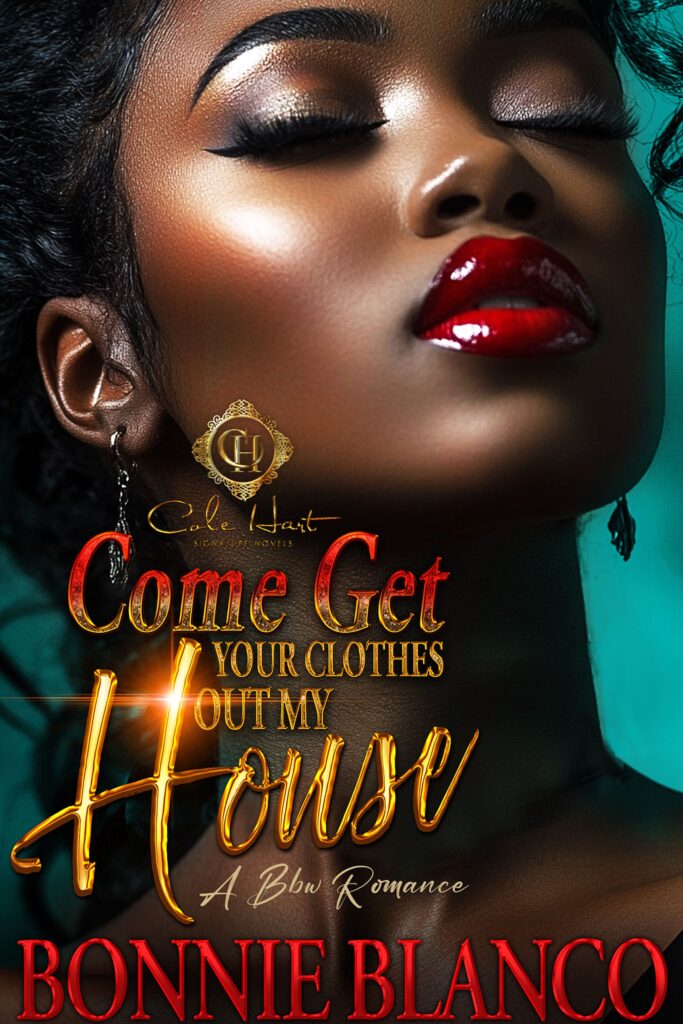
Bonnie Blanco, a rising voice in African American fiction, delivers another electrifying narrative with Come Get Your Clothes Out My House. Known for her unflinching portrayal of love, betrayal, and street-smart survival, Blanco’s latest work cements her reputation in the genre of hood love stories—tales that blend raw emotion, urban grit, and the complexities of relationships forged in adversity.
The Premise: Love, Toxicity, and Power Plays
Jream, a self-made stylist clawing her way to success, lands her big break when Logic, a wealthy record label mogul, hires her. Their chemistry ignites instantly, but what begins as a whirlwind romance descends into a four-year labyrinth of toxicity. Logic’s charm morphs into secrecy, leaving Jream questioning his loyalty—and her own intuition.
Blanco crafts Jream as a BBW protagonist whose resilience mirrors the struggles of many Black women navigating love and ambition in a world stacked against them. Her journey—balancing self-worth against a partner’s deception—echoes themes in Blanco’s Taken By The King Of Dallas series, where heroines like Remedy grapple with betrayal and second chances.
The Hood Love Blueprint
- Street-Smart Antagonists: Enter Menace, a YN (Young Ni**a) from Dallas’ underbelly, whose rise as an independent rapper threatens Logic’s empire. Menace’s refusal to be controlled mirrors characters like Rich from Taken By The King Of Dallas, whose street dominance clashes with personal vulnerabilities.
- Toxic Dynamics: Blanco’s signature lies in depicting love as a battlefield. Logic’s secrets and Menace’s defiance create a powder keg of betrayal, reminiscent of Jew’s deceit in Just Don’t Embarrass Me, where trust fractures under the weight of hidden truths.
- Women’s Agency: Jream’s refusal to settle for half-truths aligns with heroines like Honey and Remedy, who demand accountability from flawed partners. Blanco’s women are not damsels—they’re architects of their survival.
Why This Story Resonates
Blanco taps into the cultural pulse of African American romance, where love stories are rarely pristine. Her narratives thrive on:
- Authentic Dialogue: The prose crackles with vernacular (“side-eyeing every text,” “YN from the streets”) that grounds the story in Black urban life.
- Moral Ambiguity: Like Parker in Taken By The King Of Dallas 3—a delusional antagonist driven by jealousy—Menace and Logic blur lines between villain and victim, reflecting the messy realities of loyalty and ambition.
- High-Stakes Drama: Blanco’s fans crave tension, and Come Get Your Clothes Out My Housedelivers. From Logic’s crumbling empire to Menace’s calculated rebellion, every chapter simmers with urgency.
Reader Appeal
Fans of Blanco’s earlier works will recognize her knack for unpredictable twists and emotional depth. If you devoured the chaos of Remedy and Rich’s love saga or the redemption arcs in Just Don’t Embarrass Me, Jream’s journey will feel both familiar and fresh. Blanco’s storytelling—praised as “raw, real, and dripping with tension”—caters to readers who want romance without rose-colored glasses.
Final Take
Come Get Your Clothes Out My House isn’t just a romance—it’s a hood epic. Bonnie Blanco continues to redefine African American fiction by centering Black women’s voices in narratives where love is as perilous as it is passionate. For readers craving stories that mirror the grit and grace of real-life relationships, this book is a must-read.
Perfect for fans of:
- Second chances with claws
- Alpha males with hidden vulnerabilities
- Unapologetic heroines who refuse to settle
Bonnie Blanco’s latest proves that in the game of love and power, the stakes are always life-or-death—and the clothes left behind are just the beginning.
Text ColeHartSig to (833) 617-0182 to never miss another release!